A Conversation with Laura Peña-Telfer, PhD, K–12 STEAM Project-Based Learning (PBL) Instructional Coach
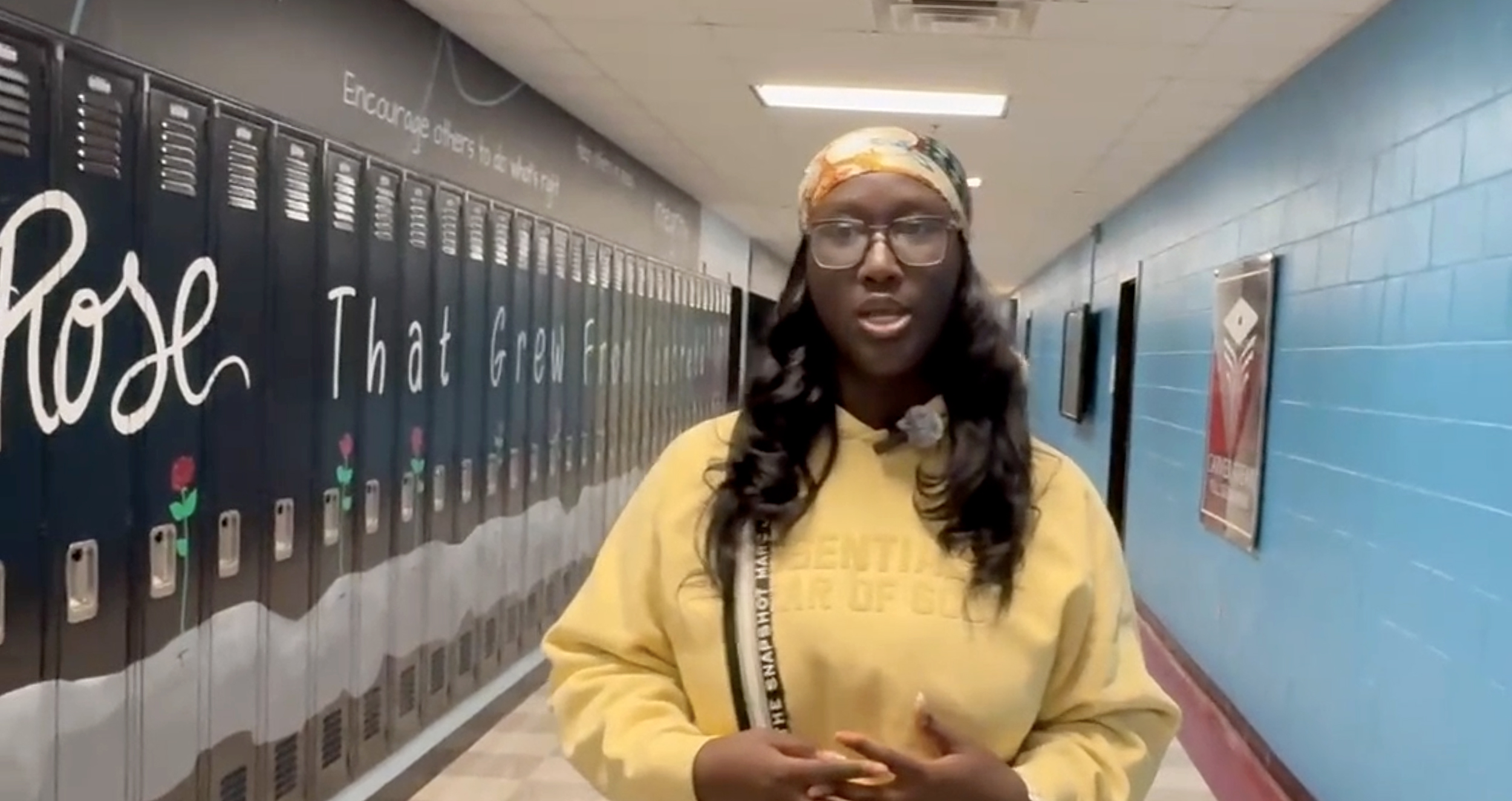
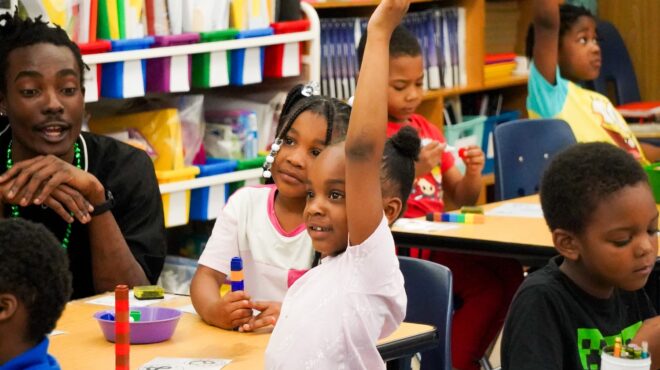
At Purpose Built Schools Atlanta, learning goes beyond textbooks and classrooms. It’s connected to real-world challenges, community partnerships, and scholars’ lived experiences. As the K–12 STEAM Project-Based Learning (PBL) Instructional Coach, Laura Peña-Telfer, PhD, works alongside teachers to design learning experiences that are rigorous, relevant, and deeply engaging. Through PBL, she helps scholars see themselves as innovators, problem solvers, and contributors to their communities. We sat down with Dr. Peña-Telfer to learn more about her role, her passion for PBL, and her vision for its future at PBSA.
As a PBL Instructional Coach, how do you describe your role in helping teachers design learning experiences that connect classroom content to real-world challenges?
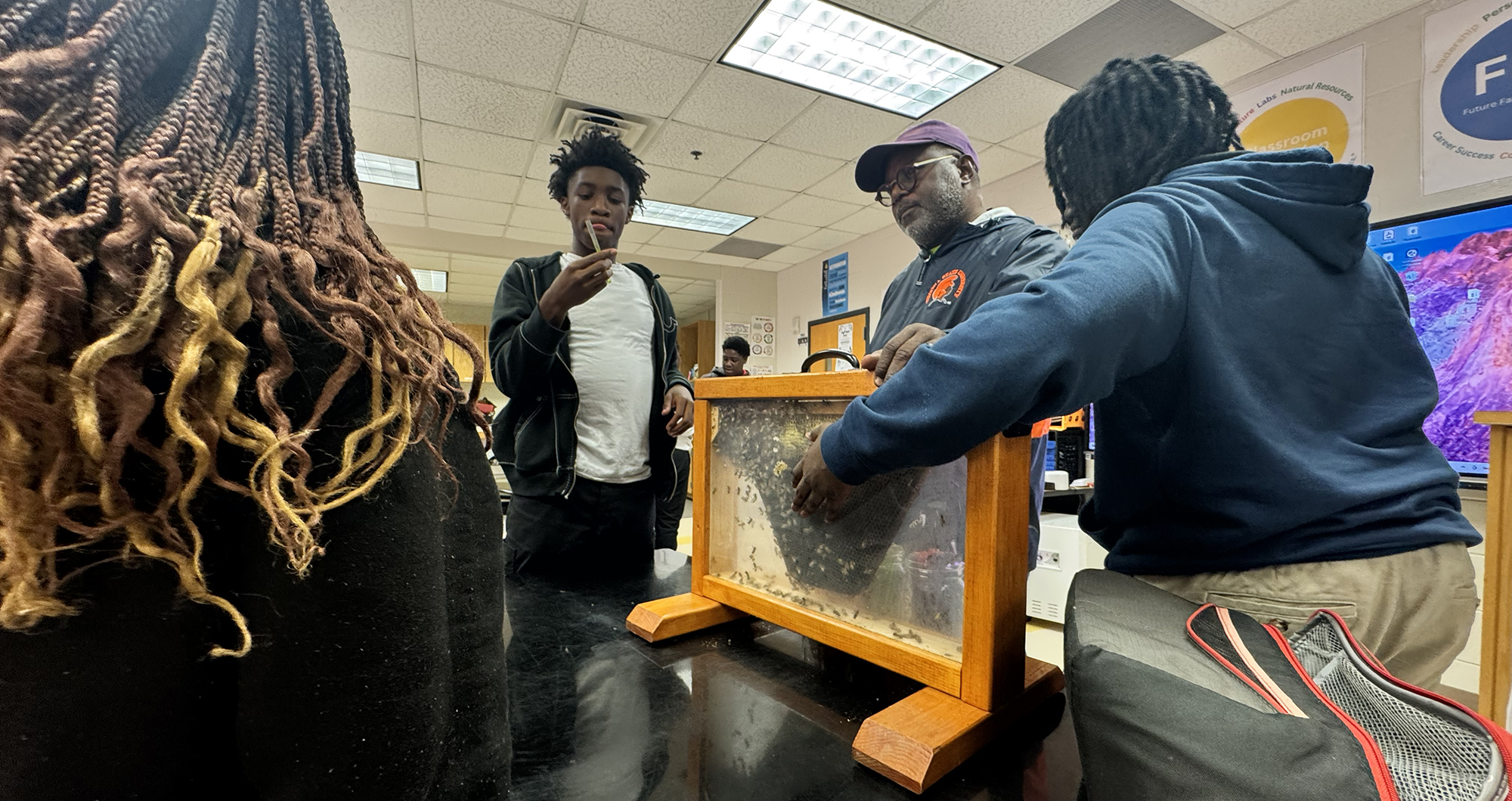
My role is to leverage the wealth of knowledge our teachers already bring and support them in making meaningful cross-curricular connections that bring learning to life for scholars. I enjoy serving as a sounding board, drawing on my classroom experience, instructional coaching background, and research experience to support teachers in designing authentic PBL units. I also help connect teachers with community and industry partners so learning is grounded in real-world challenges.
What excites you most about the PBL approach, and how have you seen it transform student engagement or confidence across grade levels?
What excites me most about PBL is its potential to disrupt long-standing opportunity gaps, particularly the underrepresentation of communities of color in STEM fields. PBL creates access to high-quality learning experiences that position scholars as active participants in their learning, recognized as innovators, problem solvers, and knowledge producers.
Research consistently shows that well-designed PBL supports deeper understanding of content, strengthens critical thinking, creativity, communication, and collaboration, and increases engagement by connecting learning to authentic, real-world contexts. I’ve seen PBL affirm scholar identity, build agency, and amplify student voice across grade levels. When implemented with fidelity, scholars demonstrate stronger performance on both traditional and performance-based assessments, retain what they learn, and confidently apply their understanding in new situations. Most importantly, PBL makes learning meaningful and relevant.
Purpose Built Schools Atlanta partners with many community organizations. How do these partnerships influence or enhance the PBL experiences you help support?
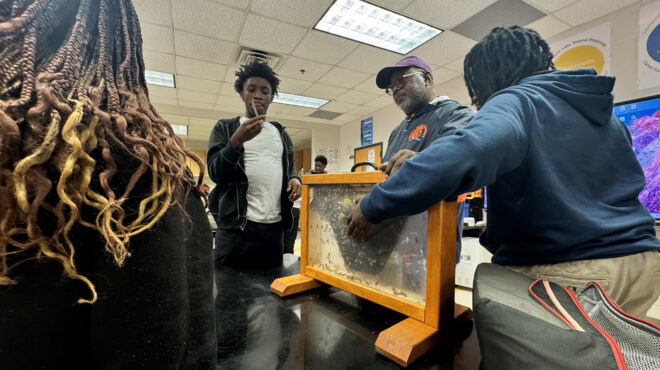
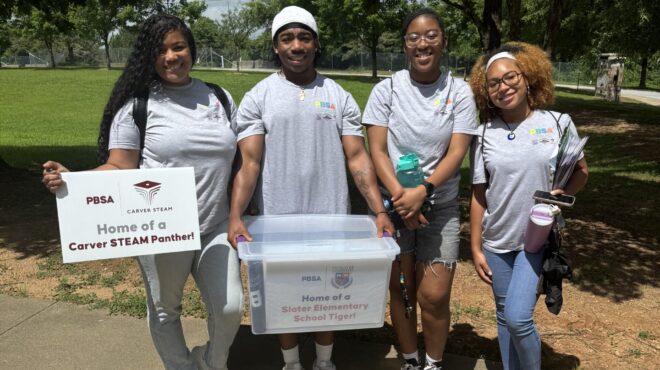
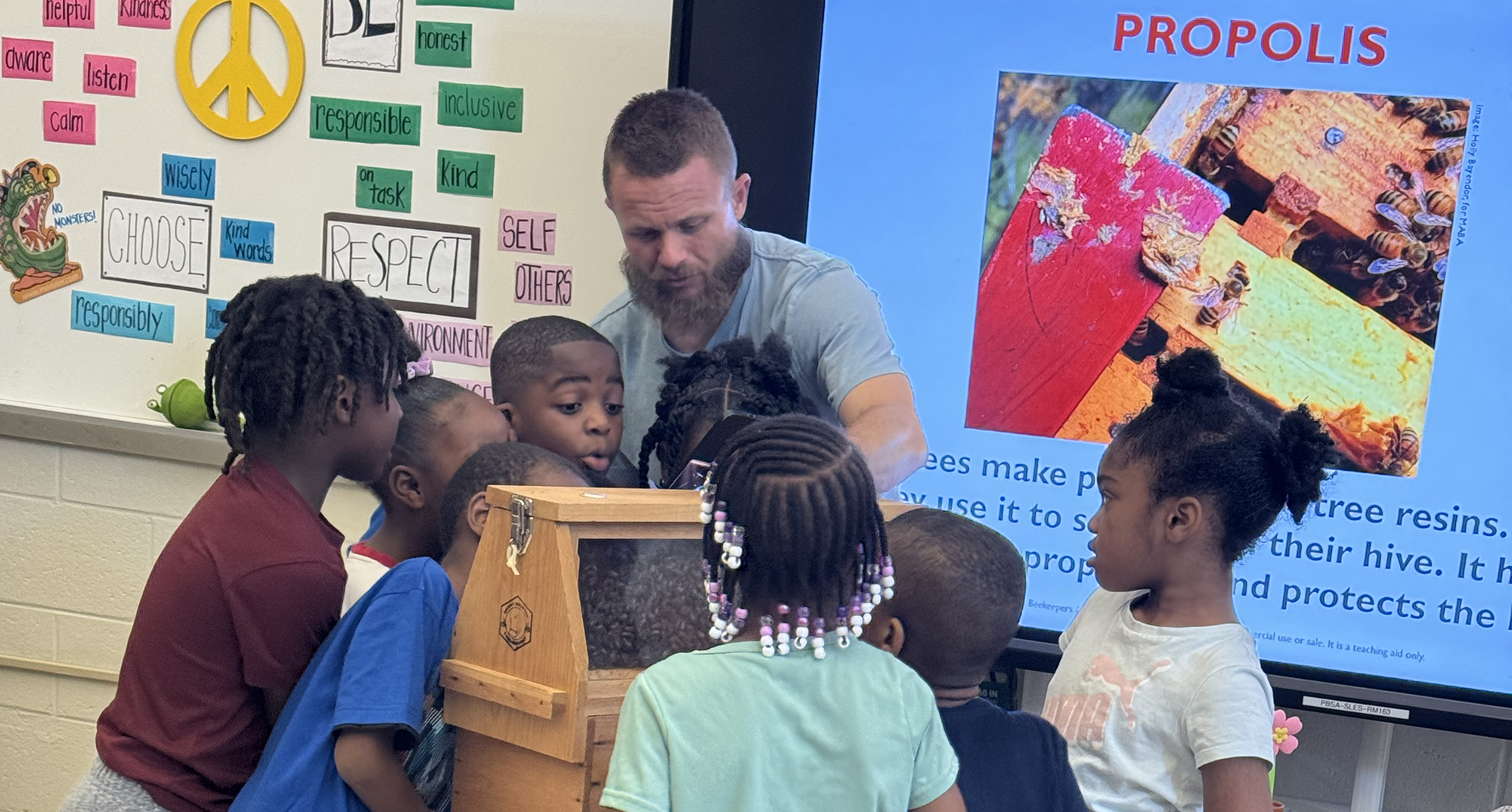
Community partners are an essential component of STEAM and PBL. They bring career expertise into the classroom and offer scholars tangible examples of STEM careers and pathways. These partnerships strengthen PBL by helping scholars see how academic content connects to real professions and real-world problem solving. Exposure to community and industry partners supports inspiration and workforce development, helping scholars envision themselves in future careers and understand the relevance of what they are learning.
When you’re collaborating with teachers, what are the key elements you aim to build into a strong PBL unit, regardless of subject or grade?
I begin by listening to teachers’ ideas, questions, and even their trepidations. From there, we establish clear learning goals and meaningful real-world contexts. Strong PBL units are grounded in content standards while centering collaboration, reflection, and relevance. Across all subjects and grade levels, I focus on including an authentic problem or challenge, opportunities for student voice and choice, and multiple ways for scholars to demonstrate their learning.
Looking ahead, what are your hopes or goals for expanding or deepening PBL across Purpose Built Schools Atlanta? What impact do you envision for students and the wider community?
Looking ahead, my hope is to deepen and expand PBL across all grade levels so it becomes an integral, shared approach to teaching and learning at PBSA. I want PBL to be understood and valued as a way to build bridges between content areas, between school and the real world, and between scholars’ learning and their lived experiences. When that happens, the impact extends beyond the classroom to families, communities, and future pathways for our scholars.